Why Choose Organic Beef?
When you see “organic beef” at the grocery store, you’re looking at more than just a label. You’re seeing the result of farming practices that prioritize animal welfare, our environment, and your family’s health. When you choose organic beef, you are supporting farmers that raise cattle humanely. And these practices protect our natural resources and health.
Cattle Have Year-Round Access to the Outdoors
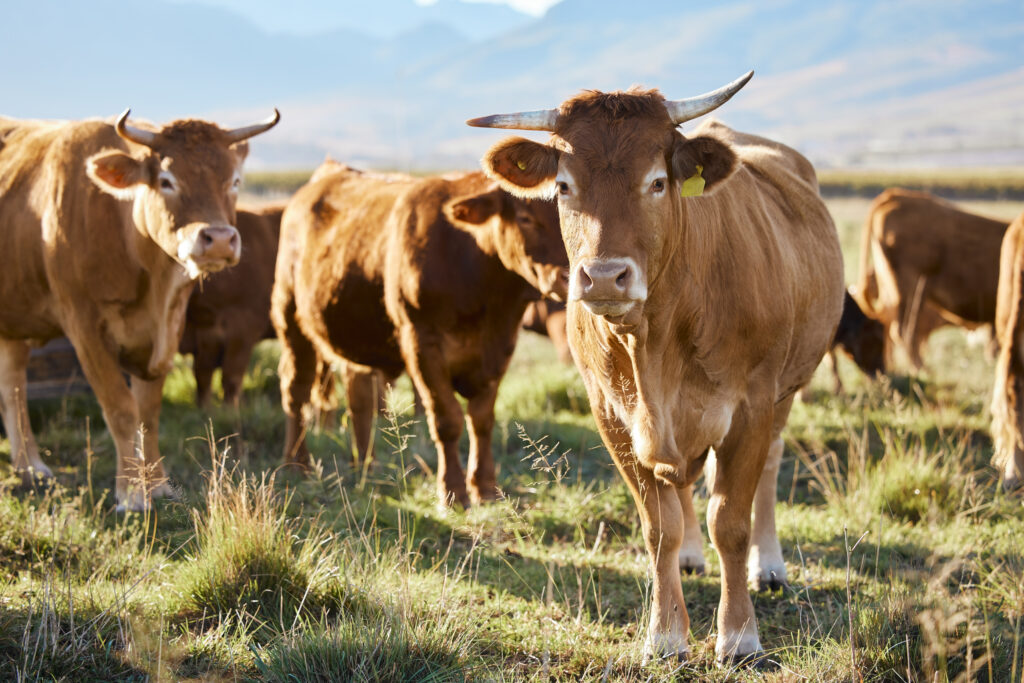
Organic beef starts with how cattle live their daily lives. Organic farmers must provide their animals with access to the outdoors and pasture so that they can roam freely (with very few exceptions, such as temporarily dangerous weather). In fact, organic standards require that cows graze on rich, nutritious, certified–organic grass. This means organic cattle spend their lives on pastures where they can walk, graze, and behave the way nature intended, not kept in tight, overcrowded areas.
The new Organic Livestock and Poultry Standards (OLPS) have strengthened these requirements even further, establishing clearer animal welfare standards for certified organic operations. Animals must have outdoor access year-round and shelter that allows them to move, stretch, and express natural behaviors.
Healthier Meat for Your Family
Organic cattle eat a completely different diet than conventional cattle. Organic cattle receive 100% organic feed with no genetically modified corn, toxic pesticides, or prohibited substances, creating benefits that directly reach our dinner table. Studies show that organic meat has healthier fat profiles than conventional meat because of the animals’ grazing and forage-based diet, including higher levels of beneficial fatty acids that can help lower cholesterol and reduce cardiovascular risk for you and your family.
What’s NOT in organic beef is just as important. Organic livestock can’t be treated with synthetic growth hormones or antibiotics (if animals need this medicine, they must be treated to preserve their health, but the meat is no longer sold as organic). This makes organic meat less likely to be contaminated with antibiotic resistant bacteria.
Environmental Benefits
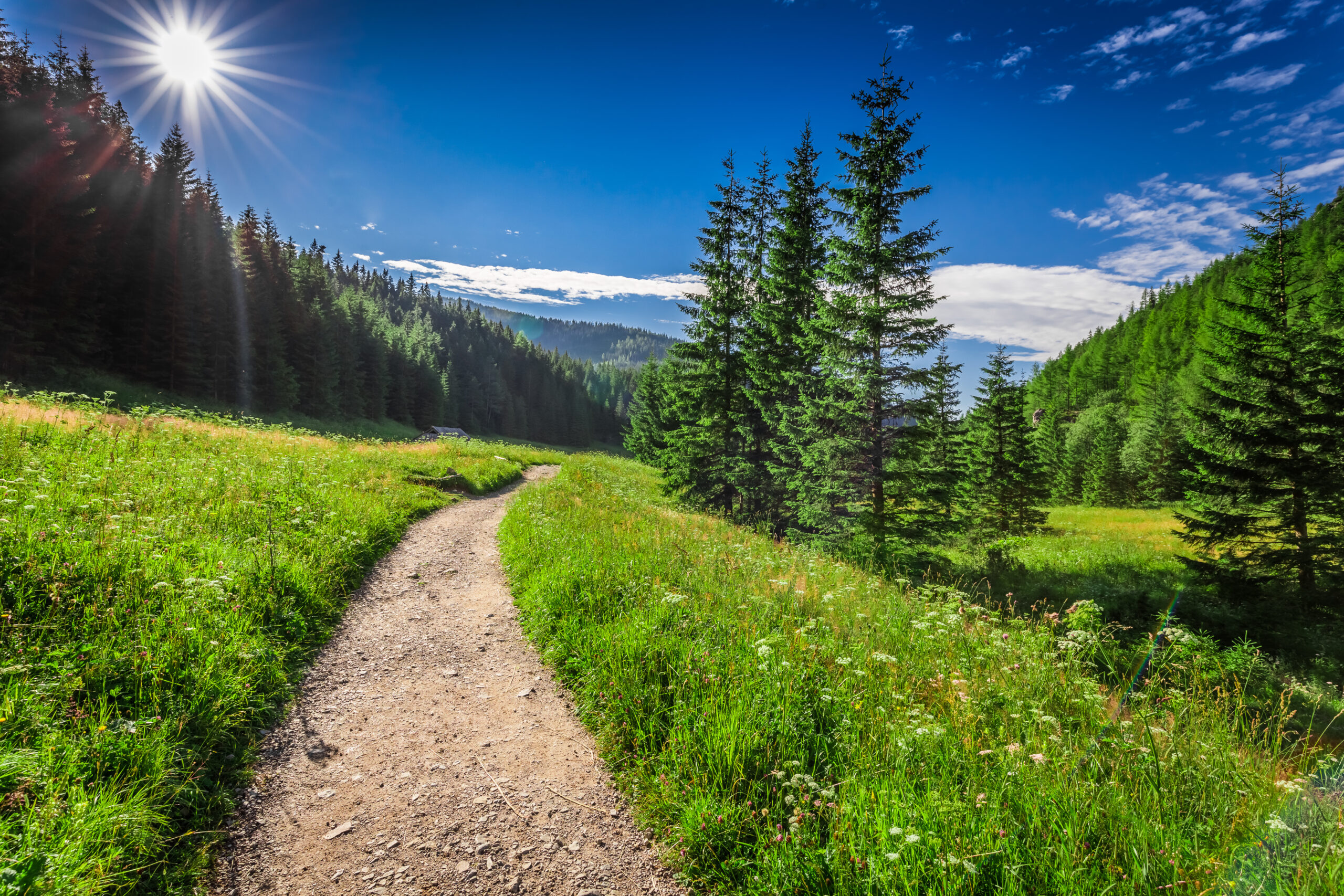
Choosing organic beef also helps protect our environment and natural resources. Organic livestock production sequesters carbon through grazing practices, and organic standards require ranchers to graze livestock on organic pasture for the entire regional grazing season, which must not be less than 120 days per year. Studies show that this grazing leads to carbon sequestration in the soil. When cattle are properly grazed, they actually help more carbon get stored in the soil through their manure and the way they stimulate grass growth. The soil-building practices used on organic cattle ranches improve soil health, increase biodiversity, and help farms become more resilient to extreme weather conditions.
Standards You Can Trust
When you buy organic, you’re buying into the most regulated food system in the United States. Every organic cattle operation undergoes annual inspections, including unannounced inspections, by independent, third-party certifiers who verify that all organic requirements are being met— from feed sources to pasture management to healthcare records. The USDA Organic label means the cattle were raised according to comprehensive standards that are traced from farm to table.
From grass to grill, organic beef follows strict standards every step of the way. When you choose organic beef, you’re supporting farmers committed to practices that benefit animals, the environment, and your family’s health. The cattle live better lives, eat better diets, and are raised in ways that support both animal welfare and a healthier environment, bringing peace of mind to your dinner table.
Visit the links below to learn more!
Roadmap to an Organic California
Organic Animal Welfare Rules Announced
Organic Livestock and Poultry Standards (OLPS) Final Rule
How Are Animals Raised Organically