Want fresh organic produce delivered without spending half of your weekend at the grocery store getting stressed out?
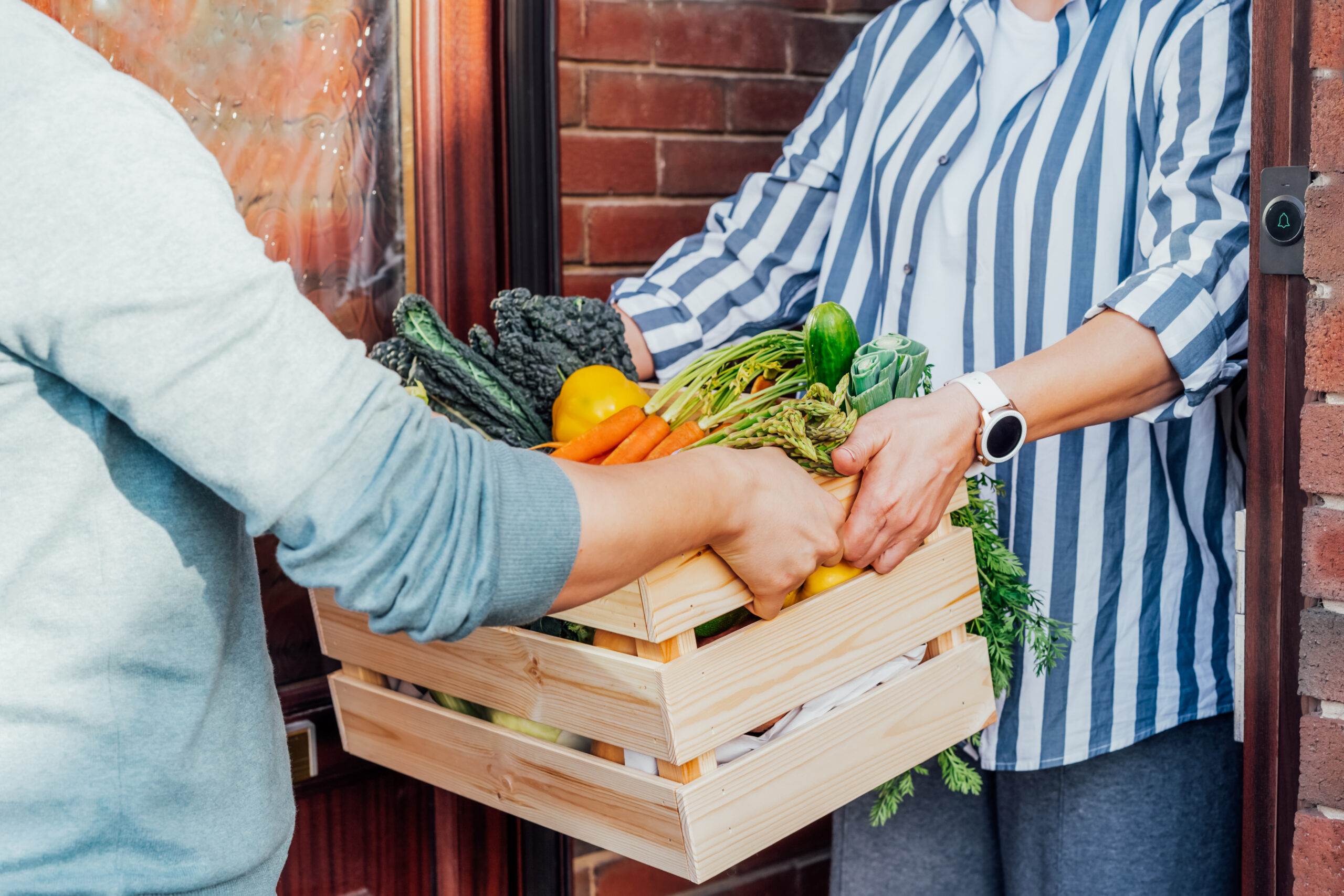
That’s one reason more people are searching for terms like “organic food delivery near me.” Consumers want convenience, but they also want food that feels fresh, trustworthy, and connected to where they live. For some households, that means weekly CSA boxes from local organic farms. For others, it means using an organic grocery delivery service that brings produce straight to the door.
The good news is there are more options than ever before. The real challenge is figuring out which services fit your family’s needs.
What Makes a Good Organic Delivery Service?
All delivery services work differently. Some focus on national grocery distribution. Others work directly with nearby farms and regional producers—on a more local level.
A few things you may want to consider before you order:
- Does the company clearly explain where the produce comes from?
- Is the food certified organic or simply “grown using organic practices”?
- Can you customize your order?
- How often are deliveries made?
- Are produce boxes seasonal?
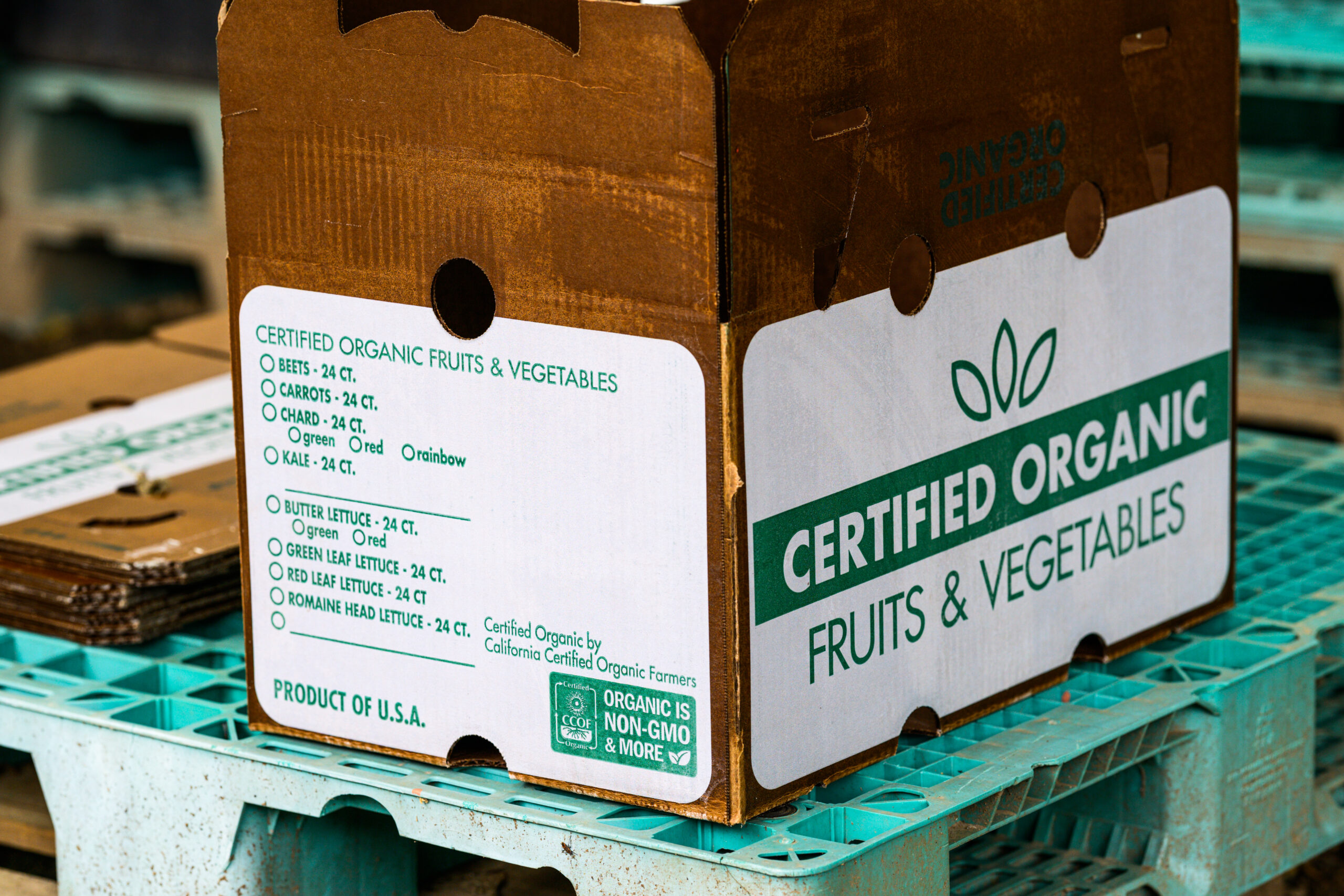
If a company claims products are certified organic, look for the USDA Organic label or a label from a USDA recognized organic certifier such as CCOF.
Local Organic Produce Delivery vs Grocery Apps
Here are the differences between local organic produce delivery and standard grocery delivery apps:
Large grocery platforms usually offer convenience and variety. You can order pantry items, snacks, dairy, and produce all at once.
Local farm delivery programs tend to focus more on:
- Seasonal produce delivery
- Farm-to-door organic produce
- Supporting nearby/local farms
- Fresher vegetables and fruit
Some people use both—A CSA box for fresh produce, plus grocery delivery for everything else.
What Are These “CSA Boxes” Exactly?
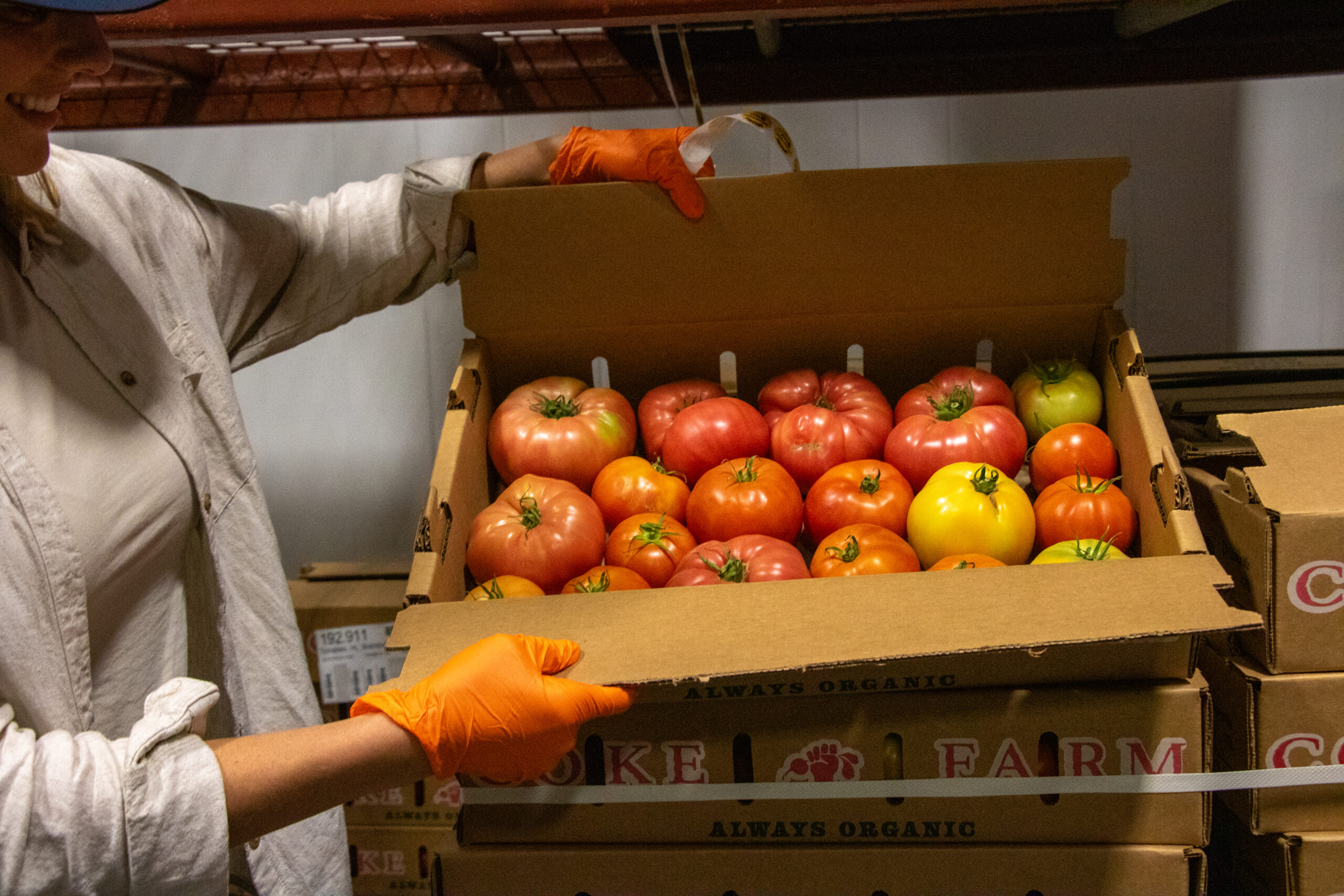
CSA stands for Community Supported Agriculture. CSA boxes are quite popular with people who want more connection to local organic farms. You subscribe to receive a share of a farm’s harvest each week or month.
That usually means:
- Fresh organic vegetables delivery
- Seasonal fruit
- Herbs and specialty crops
- Produce that changes throughout the year
The tradeoff is flexibility. You may get a lot of fresh and locally sourced organic produce, but you won’t get to choose every item in the box.
Still, many people end up cooking more at home and trying ingredients they normally wouldn’t buy when they subscribe to CSA boxes.
Tips for Finding Organic Food Delivery Near You
- CCOF’s Organic Directory is a great source for finding organic certified near you!
- You can also try searching online for:
- CSA boxes near you
- Farmers market vendor directories
- Local organic farms with delivery programs
- National/regional produce subscription and grocery delivery services
Pay attention to how transparent the business is. Reliable services usually explain:
- Where food is grown
- What is currently in season
- Delivery schedules
- Farming practices
Transparency matters—especially when you are paying a little extra for organic products.
Questions to Ask Before Ordering
Before signing up, ask a few simple questions:
- Is the produce actually organic?
- Where is the food sourced?
- Can deliveries be skipped?
- Are there delivery or membership fees?
- What happens if produce arrives damaged?
Clear answers are usually a good sign.
Final Thoughts
So, can you get high-quality organic produce delivered without spending hours shopping?
Yes, and for most people, it makes healthy eating easier to stick with long-term.
The best organic food delivery service is usually the one that fits your routine, your budget, and your priorities. For some people, that means flexible organic grocery delivery where they are in control of every item purchased. For others, it means relying on seasonal produce delivery from nearby farms.
Start small, compare a couple of options, and pay attention to freshness and transparency. Good food delivery should make life simpler, not more complicated.