Skip to content

Organic Certification

Natural Resource Conservation

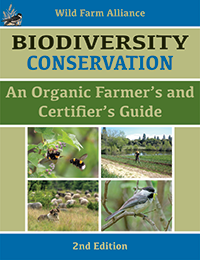
CCOF has long recognized the importance of protecting natural resources and conserving biological diversity on certified organic operations. The USDA National Organic Program (NOP) regulations agree, requiring certified operations to maintain and improve their natural resources and integrate cultural, biological, and mechanical practices that foster cycling of nutrients, promote ecological balance, and conserve biological diversity. We have developed this page as a resource for clients to meet the NOP’s conservation standards and enjoy the benefits of doing so along the way.

The NOP defines “Natural Resources” as the physical, hydrological, and biological features of an operation, including soil, water, wetlands, woodlands, and wildlife. Conserving resources and supporting biological diversity lead to a myriad of benefits, including an increase in pollinators and other beneficial insects, more effective pest control, improved water quality, and healthier soils. Conserving natural resources also improves the farm’s overall stability and resiliency.

CCOF’s Organic System Plan (OSP) form G4.2 Natural Resources is designed to describe our producers’ strategies to maintain and improve the natural resources of their operations. Our OSP G4.2 form includes conservation practices in the areas of water management, preservation and development of wildlife habitat, control of invasive species, enhancement of biological diversity, and natural resources planning and monitoring.


Review the On-Farm Conservation Strategies: Natural Resources & Biodiversity Conservation flyer for additional information about this requirement.


NOP 5020 GUIDANCE ON NATURAL RESOURCES AND BIODIVERSITY CONSERVATION

On January 15, 2016, the NOP issued Guidance 5020 to help certifiers and organic operations understand their respective obligations concerning natural resources and biodiversity conservation. Appendix A of the Guidance provides examples of activities that organic operations can implement to comply with the standard. The NOP requires producers to monitor how their practices are maintaining or improving natural resources. CCOF has developed recordkeeping tools to assist growers with monitoring. The Guidance also instructs certifiers to consider whether you have developed a conservation plan with your NRCS or RCD office, or other local or non-governmental conservation organization, when assessing compliance with the natural resources standard. See below for information on how to develop a conservation plan with one of these entities.


Below are additional resources to help you plan and implement a conservation strategy for your operation.

History of CCOF and Natural Resources Conservation

Since its inception, CCOF has recognized the value of, and advocated for, organic standards that embrace the conservation of natural resources and biological diversity. Over the years we’ve continuously worked with the Wild Farm Alliance to make its resources available to you, through both mailings and our website. We also worked closely with WFA to develop our OSP G4.2 Natural Resources form, designed to help you identify and implement the right conservation measures for your farm. Lastly, our inspectors are highly trained to observe and accurately record your efforts to maintain or improve the natural resources of your operation, as well as areas that require improvement. We are all in this together, and together we will lead the way in promoting sustainable, resilient, and environmentally sound organic